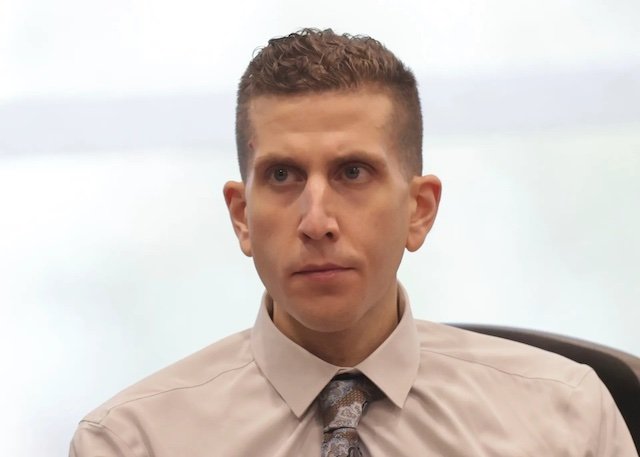
DJ Warras biography covers the tragic December 2025 shooting death of South African media icon Warrick Stock. Latest updates on investigation, career achievements and family tributes.
Who Was DJ Warras? South Africa Mourns Media Icon
The DJ Warras biography took a heartbreaking turn on December 16, 2025, when the celebrated South African media personality was gunned down in broad daylight in Johannesburg’s CBD. Warrick Robert Stock, the charismatic voice behind the DJ Warras persona, left an indelible mark on South Africa’s entertainment landscape through nearly two decades of groundbreaking work across radio, television, digital platforms and nightclub culture.
Born November 27, 1985, in Durban, KwaZulu-Natal, Warras spent 40 years building a legacy that transcended traditional media boundaries. From his breakthrough on YFM in 2008 to his final project hosting “Ngicel’iVisa” on Mzansi Magic in 2025, he constantly reinvented himself while staying true to his core mission: authentic connection with South African youth and honest commentary on the nation’s challenges.
His murder investigation continues as of December 2025, with CCTV footage identifying suspects and police pursuing leads that may connect the killing to Johannesburg’s dangerous hijacked building syndicates—a scourge Warras had been actively fighting against through his security company operations.
Breaking News: Essential Facts About DJ Warras
| Category | Information |
|---|---|
| Full Name | Warrick Robert Stock |
| Stage Name | DJ Warras |
| Nickname | The Shady Lurker |
| Date of Birth | November 27, 1985 |
| Place of Birth | Durban, KwaZulu-Natal, South Africa |
| Date of Death | December 16, 2025 |
| Age at Death | 40 years old |
| Cause of Death | Gunshot wounds (murder) |
| Location of Death | Von Wielligh Street, Johannesburg CBD |
| Children | Three sons (Ethan, Troy, Kiyaan) |
| Marital Status | Married (at time of death) |
| Education | BCom Investment Management, University of Johannesburg |
| Languages | English, isiZulu, Afrikaans |
| Business Ventures | JT VIP Elite Guarding, Imperium Security |
| Investigation Status | Active murder case, suspects identified |
December 2025: The Shooting That Shocked South Africa
The Fatal Day: Timeline of Events
Tuesday, December 16, 2025, began as what seemed like a routine business day for Warrick Stock. The media personality arrived at Zambesi House in Johannesburg’s CBD shortly before noon to oversee security system installations for the building where his company, Imperium Security, had been contracted to implement biometric access controls and assist with rent collection efforts.
According to police reports and eyewitness accounts, after spending several hours inside the building monitoring the installation of security mechanisms, Warras exited Zambesi House and walked toward his parked vehicle. It was approximately midday when three unknown suspects, who had apparently been waiting and monitoring his movements, made their approach.
The Attack: CCTV Reveals Chilling Details
CCTV cameras positioned throughout Johannesburg’s CBD captured the horrifying moments of the attack. The footage, which has become crucial evidence in the ongoing investigation, shows a short man with dreadlocks approaching Warras as he walked toward his car. Without warning or apparent provocation, the suspect opened fire on the unarmed media personality.
Gauteng Acting Provincial Commissioner Major-General Fred Kekana confirmed that the video footage revealed shocking details: one suspect was sitting near Warras’ vehicle prior to the attack, while another suspect was dressed in what appeared to be a security uniform—a chilling detail suggesting possible infiltration or insider knowledge of security protocols.
The shooting occurred in mere seconds. Warras attempted to flee after being hit, demonstrating the survival instinct that kicked in during the attack, but he collapsed across the street from where he was initially shot. The suspects fled on foot immediately after firing multiple shots, leaving behind spent cartridges at the crime scene.
Critical Evidence at the Scene
Police confirmed several crucial pieces of evidence discovered at the shooting location. Despite the violent nature of the attack, nothing was stolen from Warras—his firearm remained on his person, and no personal belongings were taken. This fact immediately suggested to investigators that robbery was not the motive, pointing instead toward a targeted assassination.
The presence of Warras’ unused firearm raises questions about the suddenness of the attack. As someone working in security who was vocal about threats against him, Warras carried protection, yet the ambush-style assault gave him no opportunity to defend himself.
Police Investigation: Latest December 2025 Updates
As of December 18, 2025, the South African Police Service (SAPS) has mounted an intensive manhunt for at least three suspects identified through CCTV footage analysis. The primary suspect, described as a short man with dreadlocks who directly fired the fatal shots, is being actively pursued by investigators who have been tracking the suspects’ movements after they fled the scene on foot.
Johannesburg Central SAPS, working with the Johannesburg Metropolitan Police Department (JMPD), has been reviewing hours of security camera footage from businesses and municipal cameras throughout the CBD to trace the suspects’ escape route. Superintendent Xolani Fihla of JMPD confirmed that metro police officers were among the first responders after members of the public who witnessed the shooting flagged them down.
Major-General Kekana revealed that investigations face significant challenges due to the nature of buildings surrounding the crime scene. “Many occupants in nearby buildings are unauthorised,” he explained during a media briefing, highlighting how Johannesburg’s hijacked building crisis complicates police work in the CBD.
The Hijacked Buildings Connection
Perhaps most controversially, preliminary investigations suggest a potential link between Warras’ murder and Johannesburg’s hijacked building syndicates. Kekana stated that Warras was allegedly a co-owner of Zambesi House itself, the very building where he was overseeing security installations when he was killed.
The building, home to approximately 250 occupants with reports indicating roughly half weren’t paying rent, represents the exact type of problem Warras had been publicly vocal about addressing. His security company’s contract to implement biometric access systems and assist with rent collection placed him directly in conflict with those benefiting from the building’s hijacked status.
Adding to the intrigue, news emerged that Warras had secured five protection orders before his death—a revelation suggesting he was aware of specific threats against him and had taken legal measures seeking protection from individuals he believed posed danger.
Durban Roots: Where It All Began
Childhood in KwaZulu-Natal
Warrick Stock entered the world on November 27, 1985, in Durban, the coastal city that serves as KwaZulu-Natal province’s beating heart. His childhood unfolded in what he would later describe as a “structured and grounded” environment, shaped significantly by his grandparents who played pivotal roles in raising him while his mother worked in Johannesburg.
Growing up on a farm provided young Warrick with experiences vastly different from the urban entertainment world he would later dominate. The discipline and work ethic required in agricultural life, combined with his grandparents’ guidance through his studies, instilled character traits that would serve him throughout his career—reliability, hard work, and respect for commitments.
Recommended for You



Cultural Identity: Proud Zulu Heritage
One of Warras’ defining characteristics was his proud embrace of Zulu identity. In an industry where some personalities downplay cultural specificity in favor of broader appeal, Warras did the opposite—he centered his Zulu heritage in his public persona, spoke isiZulu fluently on air, and frequently referenced cultural traditions in his content.
His friend and business associate Robert Hersov, describing Warras after his death, emphasized: “A passionate Zulu man. A fucking awesome brother.” This wasn’t performative identity politics; Warras genuinely believed in celebrating cultural heritage while participating in South Africa’s multicultural landscape.
He carried this cultural consciousness into national media spaces, demonstrating that one could be authentically Zulu while appealing to diverse South African audiences. His linguistic versatility—speaking English, isiZulu, and Afrikaans—allowed him to code-switch naturally, connecting with different communities while maintaining cultural integrity.
The Move to Johannesburg
As a teenager, Warras made the pivotal decision to relocate to Johannesburg, South Africa’s economic powerhouse. This move, from coastal Durban to landlocked Joburg, represented more than geographical relocation—it signified ambition, opportunity-seeking, and the pursuit of dreams larger than what his hometown could accommodate.
Johannesburg, with its intense energy, diverse population, and status as South Africa’s entertainment capital, provided the perfect incubator for Warras’ emerging talents. The city’s challenges—crime, inequality, urban decay—would later become subjects he addressed through his platform, but initially, Joburg represented possibility and potential.
Academic Foundation: Business Education
University of Johannesburg Studies
Warras pursued higher education at Rand Afrikaans University (RAU), which later became the University of Johannesburg (UJ), obtaining a BCom degree in Investment Management. This choice of study—business and finance rather than media or communications—reveals a strategic mindset even in his youth.
Understanding investment management, financial markets, and business principles provided Warras with knowledge that distinguished him from peers who entered entertainment without business acumen. This educational background would later prove invaluable when he ventured into entrepreneurship, launching security companies and understanding the financial realities of media careers.
His time at university also exposed him to Johannesburg’s diverse student culture, networking opportunities, and the city’s entertainment scene. It was during these years that he began developing the connections and understanding of youth culture that would inform his broadcasting career.
Balancing Education and Emerging Passion
While completing his BCom, Warras was simultaneously nurturing his passion for music, DJing, and broadcasting. This dual focus—formal business education alongside creative pursuits—created a foundation for the multidimensional career he would build.
The discipline required to complete a BCom while exploring creative outlets demonstrated work ethic and time management skills that would characterize his later career. Warras wasn’t content with single-track success; he sought excellence across multiple domains.
Media Career: From YFM to National Icon
2008 Breakthrough: YFM Launch
Warras’ professional broadcasting career ignited in 2008 when he joined YFM, South Africa’s first commercial radio station targeting urban youth. This opportunity, coming when he was just 23 years old, placed him in the perfect environment to connect with the demographic that would become his core audience.
YFM’s format—focusing on kwaito, hip hop, R&B, and house music—aligned perfectly with Warras’ musical tastes and cultural positioning. His natural on-air presence, ability to read audiences, and authentic voice quickly distinguished him from other jocks competing for listener attention.
Starting with late-night slots before graduating to drive-time shows, Warras proved he could hold audiences during competitive time periods. His success at YFM established his reputation as a talent worth watching, setting the stage for bigger opportunities.
5FM Era: The 5th Element
In 2014, Warras made a significant career move, joining 5FM, one of South Africa’s most prominent national radio stations operated by the SABC. At 5FM, he became host of “The 5th Element,” an evening show that blended music, conversation, and cultural commentary.
“The 5th Element” represented Warras’ evolution from regional youth broadcaster to national media personality. The show’s format allowed him to showcase his versatility—playing music, conducting interviews, discussing social issues, and connecting with a truly national audience spanning South Africa’s diverse demographics.
His work at 5FM earned him a loyal following that transcended the urban youth demographic. He became a household name, recognized for his voice, personality, and the trust listeners placed in his judgment and taste.
Live AMP: Television Breakthrough
In September 2012, Warras joined SABC1’s “Live AMP,” a music magazine program that was appointment television for South African music fans. As a presenter on Live AMP, Warras moved from audio-only to visual media, and his natural charisma translated seamlessly to television.
Live AMP was influential in showcasing South African talent and amplifying local creativity to national audiences. Warras’ approximately six-year tenure on the show (2012-2018) positioned him at the center of South Africa’s music television landscape during a transformative period for the industry.
Recommended for You


The Man Cave and Ngicel’iVisa
In 2016, Warras expanded his television portfolio by presenting SABC3’s “The Man Cave,” a show that explored masculinity, lifestyle, and contemporary male identity. This gig showcased his range, proving he could handle more than music television.
His most recent television project, launched in October 2025 just months before his death, was hosting “Ngicel’iVisa” on Mzansi Magic. This reality show, which translates to “Can I Have a Pass,” dealt with couples negotiating permission to “step out” of their relationships—controversial, conversation-starting content that fit Warras’ fearless approach to media.
The show represented Warras’ willingness to tackle complex relationship topics and social dynamics, trusting his audience to engage with challenging content maturely. It was a new chapter that, tragically, his death cut short.
Digital Pioneer: The Shady PHodcast
Recognizing the shifting media landscape, Warras embraced podcasting, co-hosting “The Shady PHodcast” alongside DJ PH. The podcast allowed for longer-form conversations, deeper dives into topics, and the candid social commentary that became Warras’ signature.
“The Shady PHodcast” was known for fearless engagement with contemporary issues, sharp analysis, and the kind of honest dialogue that traditional media often sanitizes. The podcast format suited Warras perfectly—no commercial breaks, minimal censorship, and direct connection with audiences who chose to tune in specifically for his perspective.
His digital presence extended beyond podcasting to social media, where he maintained active engagement with fans and wasn’t shy about expressing controversial opinions on South African politics, social issues, and entertainment industry dynamics.
Entrepreneurial Ventures: Beyond Broadcasting
JT VIP: Elite Guarding & VIP Protection Services
Recognizing that media careers can be unpredictable and seeking to diversify income streams, Warras co-founded JT VIP: Elite Guarding & VIP Protection Services. This security company worked major events, providing close protection and event security services across South Africa.
The venture made business sense—Warras’ entertainment industry connections meant he understood event security needs firsthand, having worked countless shows as a DJ and presenter. JT VIP filled gaps in a market where quality, professional security services commanded premium prices.
His involvement in security wasn’t merely financial investment; Warras took active interest in operations, understanding that his reputation attached to the company’s performance. JT VIP’s work at high-profile events demonstrated his business acumen beyond entertainment.
Imperium Security: The Fatal Contract
More recently, Warras was involved with Imperium Security, the company contracted to secure Zambesi House and implement biometric access control systems. This venture placed him directly in Johannesburg’s most dangerous arena—hijacked buildings controlled by criminal syndicates.
Reports indicate Imperium Security’s Zambesi House contract included not just physical security but assistance with rent collection—a task that inherently creates conflict with those occupying buildings illegally or refusing to pay. This role, more confrontational than traditional security work, may have sealed Warras’ fate.
His involvement in this sector reflected his stated commitment to “cleaning up” Johannesburg’s CBD. In interviews, he spoke passionately about the city’s decline, the problem of hijacked buildings, and his belief that something had to be done. Unlike many who merely complain, Warras took action—action that may have cost him his life.
Family Life: Devoted Father and Son
Three Young Sons
Warras leaves behind three sons—Ethan, Troy, and Kiyaan—who formed the center of his personal world. Despite his public persona and busy career, those who knew him emphasize that fatherhood ranked as his most important role.
In a 2013 TrueLove magazine interview, Warras discussed fatherhood openly, emphasizing how becoming a father changed his perspective on responsibility, legacy, and what mattered most. His social media occasionally featured his sons, though he generally maintained boundaries protecting their privacy.
The fact that he worked multiple ventures—radio, television, DJing, security companies—reflected his commitment to providing for his children. Financial security for his sons motivated much of his entrepreneurial activity.
His family statement after his death described him as “a loving and proud father,” emphasizing how his children were “the heart and anchor of his family.” The boys now face growing up without their father, victims of the violence that ended his life.
Relationship with His Mother and Siblings
Warras maintained close relationships with his mother, who had worked in Johannesburg while he was raised by grandparents in Durban. This early separation may have strengthened their bond, creating appreciation for time together.
His sister Nicole Stock spoke publicly after his murder, describing the family’s shock and devastation. Her appeal for the public to avoid sharing graphic photos or clips from the crime scene revealed a family traumatized not just by loss but by the violent, public nature of that loss.
Recommended for You



Career Timeline: Milestones of a Media Legacy
| Year | Career Development | Significance |
|---|---|---|
| 1985 | Born in Durban, KwaZulu-Natal | Beginning of life journey |
| Early 2000s | Moved to Johannesburg as teenager | Relocation for opportunities |
| 2008 | Joined YFM as broadcaster | Professional broadcasting career launch |
| 2012 | Joined SABC1’s Live AMP | Television breakthrough |
| 2013 | TrueLove magazine feature on fatherhood | Public recognition |
| 2014 | Moved to 5FM, hosted The 5th Element | National radio prominence |
| 2016 | Presented SABC3’s The Man Cave | Expanded television portfolio |
| 2018 | Ended approximately 6-year Live AMP tenure | Transition period |
| 2020s | Co-hosted The Shady PHodcast with DJ PH | Digital media pioneer |
| 2020s | Co-founded JT VIP security services | Entrepreneurial expansion |
| October 2025 | Began hosting Ngicel’iVisa on Mzansi Magic | Final television project |
| December 2025 | Contracted Imperium Security to Zambesi House | Entered hijacked buildings arena |
| December 16, 2025 | Shot and killed in Johannesburg CBD | Tragic death at age 40 |
Public Tributes: A Nation Mourns
Government Response
Sports, Arts and Culture Minister Gayton McKenzie and Deputy Minister Peace Mabe issued official statements extending condolences to Warras’ family. Their statement praised him as “a dynamic and respected force in South Africa’s media and creative industries” whose work “reflected the spirit, humour and concerns of a generation.”
The ministerial acknowledgment of a DJ and media personality’s passing reflected Warras’ cultural significance beyond entertainment—he was recognized as someone who shaped national conversations and contributed meaningfully to South African public life.
Industry Reactions
Mzansi Magic, the network that had just launched Warras’ latest show, posted: “DJ Warras was more than a host. Thank you for the laughter, the stories, and the unforgettable Mzansi Magic moments. Your legacy will live on.”
This industry tribute captured the sentiment across South Africa’s entertainment sector, where Warras was remembered not just as talent but as a colleague, mentor, and friend who elevated those around him.
Social media accounts celebrated his patriotism, with users emphasizing how Warras used his platform to speak against crime and corruption. One poster wrote: “They can kill you, but they will never take the patriotism in you. Rest, Patriot. We will remember you not only as our beloved DJ but as a patriot who was fighting against the crimes happening in this country.”
Personal Reflections from Close Associates
Robert Hersov, entrepreneur and friend, described Warras as “the most loving, compassionate, friendly, open, decent human being, and it is a tragedy beyond belief.” This personal testimony from someone outside the entertainment industry revealed Warras’ character extended beyond professional relationships.
Colleagues emphasized his mentoring of younger talent, his generosity with time and advice, and his role in opening doors for emerging DJs, radio hosts, and producers. His death represents not just the loss of one person but the loss of someone actively invested in developing others.
The Hijacked Buildings Crisis: What Warras Fought Against
Johannesburg’s Urban Decay
To understand Warras’ death, one must understand Johannesburg’s hijacked building crisis. The city’s CBD contains hundreds of buildings taken over by criminal syndicates who evict legitimate owners, charge illegal rent to desperate tenants, and resist any attempts at reclamation.
These buildings deteriorate without maintenance, become fire hazards, and serve as bases for criminal activity. Legitimate residents and businesses flee, accelerating urban decay in what was once Africa’s richest square mile.
Warras spoke publicly about this crisis, expressing frustration with governmental inaction. In a recent interview, he stated: “We have buildings in the CBD wasting away because people aren’t paying rent. If we try to fix them, we’re told we can’t remove anyone unless we provide alternative accommodation.”
The Stakes: Why Warras’ Work Was Dangerous
Implementing biometric access systems and assisting with rent collection in hijacked buildings directly threatens criminal enterprises generating millions through illegal operations. Those controlling these buildings have significant financial incentive to eliminate threats to their revenue streams.
The revelation that Warras had five protection orders before his death confirms he knew he was in danger. These legal orders, intended to keep specific individuals away from him, suggest he had identified threats and sought legal recourse—measures that ultimately couldn’t protect him from determined assassins.
ActionSA’s Bongani Mtshali stated after the murder: “It’s concerning that Warras had been outspoken against hijacked buildings and had reportedly secured five protection orders against some occupants of the Zambezi Building.” The politician connected Warras’ activism directly to potential motives for his killing.
Investigation Updates: The Search for Justice
Suspect Descriptions and Manhunt
Police have identified three suspects, with the primary shooter described as a short man with dreadlocks captured on multiple CCTV cameras. A second suspect, wearing what appeared to be a security uniform, was filmed near Warras’ vehicle before the attack—suggesting possible insider knowledge.
The SAPS has established a dedicated investigation team tracking the suspects’ movements before and after the shooting. “We know they walked a long distance after the shooting, and officers have been tracking them to determine their whereabouts,” Major-General Kekana revealed.
As of December 18, 2025, no arrests have been made, but police indicated the investigation is progressing with multiple leads being pursued simultaneously.
Evidence Collection
Forensic teams collected spent cartridges, bullet casings, and other physical evidence from the crime scene. The fact that Warras’ firearm remained unused adds to evidence suggesting an ambush-style attack that gave him no opportunity to defend himself.
Police are analyzing the CCTV footage frame by frame, attempting to track suspects’ movements before the attack to determine if they surveilled Warras or were already positioned waiting for him.
Recommended for You


The possibility that the murder connects to hijacked building syndicates adds complexity—these are sophisticated criminal organizations with resources, networks, and motivation to obstruct justice. Witnesses may fear retaliation for cooperating with police.
Latest News: Developments This Week
Family’s Public Statement
On Wednesday, December 18, the Stock family issued a comprehensive statement through TshisaLIVE expressing their devastation and requesting privacy during their mourning process. “The senseless nature of his passing has left his family devastated, broken and struggling to imagine a world without him,” the statement read.
They described Warras as “the heart and anchor of his family” and emphasized his roles as devoted son, loving father, cherished brother and uncle. The family respectfully requested that SAPS be given space to investigate thoroughly so justice may be served.
Sister Nicole’s Appeal
Nicole Stock made specific appeals regarding her brother’s death, urging the public to stop circulating graphic photos and videos from the crime scene. This request highlights the additional trauma families face in the social media age, where crime scene images spread instantly online.
Her interview with SABC revealed the family remains in shock, struggling to process the sudden, violent loss. Nicole’s visible grief in media appearances has become part of the story, humanizing the tragedy beyond statistics.
Funeral Arrangements Pending
As of December 18, funeral arrangements had not been finalized. The family indicated they would announce details once completed, asking for continued privacy and understanding during planning.
Remembering DJ Warras: Legacy and Impact
Media Pioneer
Warras’ legacy in South African media is secure. He helped bridge traditional broadcasting and digital media, demonstrated how to maintain authenticity while building broad appeal, and showed that entertainment personalities could engage seriously with social issues without alienating audiences.
His comfort across multiple platforms—radio, television, digital, live performance—made him versatile in an era when media fragmentation destroyed careers of those who couldn’t adapt. He embraced new formats while respecting traditional broadcasting’s fundamentals.
Mentor and Culture Builder
Beyond his on-air work, Warras’ mentoring of younger talent created ripple effects throughout South African entertainment. Emerging DJs, radio hosts, and producers speak of how he opened doors, offered advice, and maintained creative integrity—lessons they carry forward.
His emphasis on cultural pride, particularly celebrating Zulu identity while participating in multicultural spaces, offered a model for authentic representation without separatism.
Patriot and Activist
Warras used his platform for more than entertainment. He spoke against crime, corruption, and governmental failure. His involvement in attempting to reclaim hijacked buildings placed him physically in the fight he advocated for verbally—a rare consistency between rhetoric and action.
Whether his murder directly connects to hijacked building syndicates remains under investigation, but symbolically, he died trying to make Johannesburg safer—a patriot in the truest sense.
Frequently Asked Questions About DJ Warras
DJ Warras was shot and killed on December 16, 2025, outside Zambesi House in Johannesburg CBD after parking his car; three suspects approached him and one opened fire before all fled on foot.
As of December 18, 2025, no arrests have been made, though police have identified three suspects through CCTV footage and are conducting an active manhunt.
Yes, DJ Warras was married and had three young sons named Ethan, Troy, and Kiyaan, whom he frequently described as his most important priority in life.
His real name was Warrick Robert Stock, and he was 40 years old at the time of his death, having been born on November 27, 1985.
He was overseeing security system installations at Zambesi House through his security company Imperium Security, which had been contracted to implement biometric access controls and assist with rent collection.
Reports revealed Warras had secured five protection orders before his death, suggesting he was aware of specific threats against him, possibly from individuals connected to Johannesburg’s hijacked building crisis he was fighting against.